اللغة

الالوان

تل الابقعين

Tel al-Abqa'in

تل الأبقعين

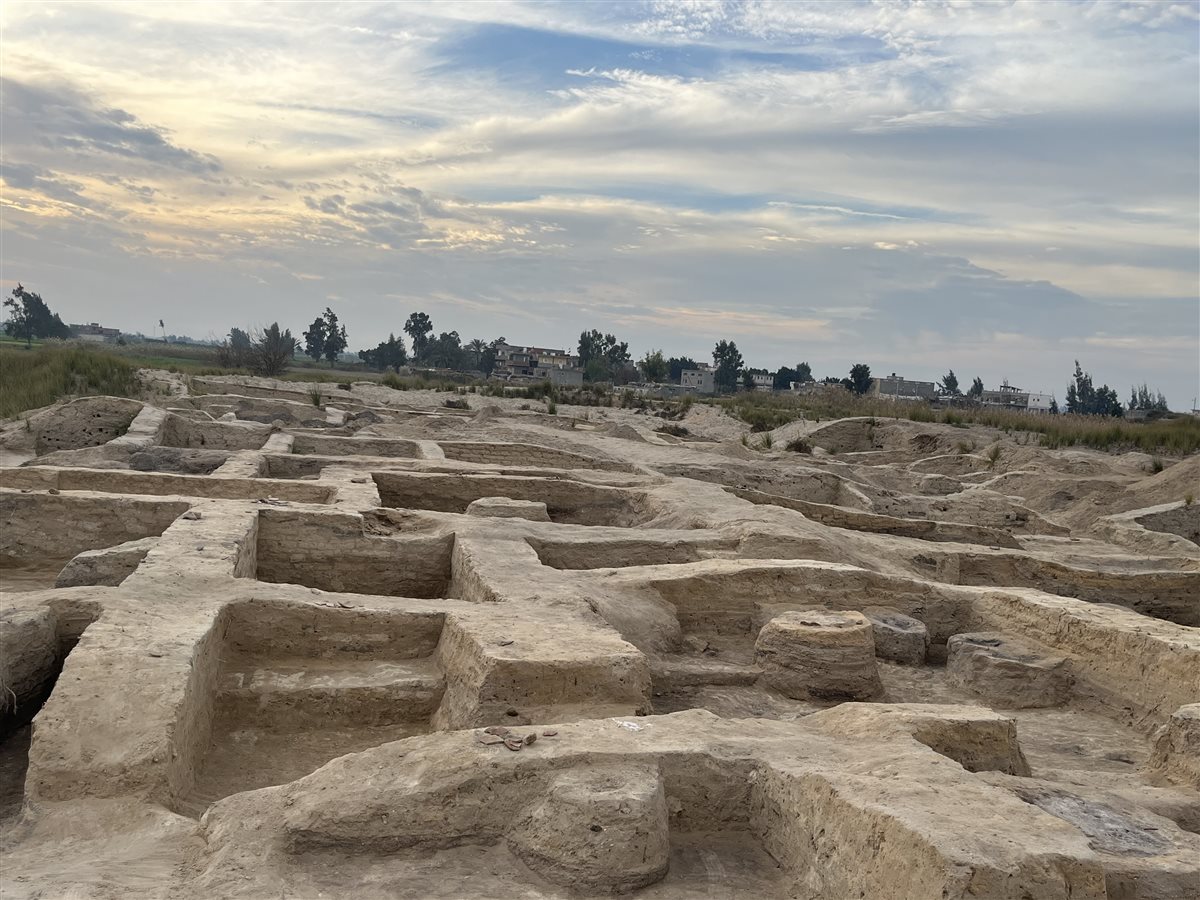
موقع أثري عسكري مهم بمركز حوش عيسى بمحافظة البحيرة، يضم ثكنات للجنود ومخازن للأسلحة والطعام من عصر الدولة الحديثة.

المكتشفات الأثرية

- سيف برونزي للملك رمسيس الثاني.
- جعرانات وتمائم، وعقد من القيشاني والعقيق.
- صوامع فخارية لتخزين الطعام وأدوات الطهي.
- أدوات شخصية للجنود مثل مراود التكحيل وخرز وزينة.

الأهمية التاريخية

الحصن كان نقطة تمركز عسكري على الطريق الغربي لحماية الحدود الشمالية الغربية لمصر من هجمات القبائل الليبية وشعوب البحر، ويعكس براعة المهندس المصري القديم في تصميم الوحدات المعمارية واستغلال البيئة.

الأنشطة والاستخدامات

استخدمت الثكنات لتسكين الجنود، والمخازن لتخزين الطعام والمؤن اليومية، كما تدل اللقى الأثرية على النشاط العسكري والديني اليومي للجنود.

رموز وقيم دينية

اكتشفت دفنة لبقرة رمزاً للقوة والرخاء، وجعرانات تحمل أسماء الآلهة مثل آمون وبتاح، ونقوش هيروغليفية لألقاب الملك رمسيس الثاني وأحد الموظفين.

Tel al-Abqa'in

تل الابقعين

Tel al-Abqa'in

An important military archaeological site in Hosh Issa Center, Beheira Governorate, which includes soldiers' barracks and storage rooms for weapons and food dating back to the New Kingdom period.

Archaeological Discoveries

- A bronze sword belonging to King Ramesses II.
- Scarabs and amulets, and a necklace made of faience and carnelian.
- Earthen silos for storing food and cooking utensils.
- Soldiers' personal items such as kohl sticks, beads, and adornments.

Historical Importance

The fort served as a military concentration point on the western route to protect the northwestern borders of Egypt from attacks by Libyan tribes and the Sea Peoples, reflecting the ingenuity of the ancient Egyptian engineer in designing architectural units and utilizing the environment.

Activities and Uses

The barracks were used to house soldiers, and the stores were used to keep food and daily provisions. The archaeological finds also indicate the daily military and religious activities of the soldiers.

Religious Symbols and Values

A burial of a cow was discovered, symbolizing power and prosperity, along with scarabs bearing the names of deities such as Amun and Ptah, and hieroglyphic inscriptions featuring the titles of King Ramesses II and one of the officials.