اللغة

الالوان

دار أوبرا دمنهور

دار أوبرا دمنهور

Damanhour Opera House

معلومات

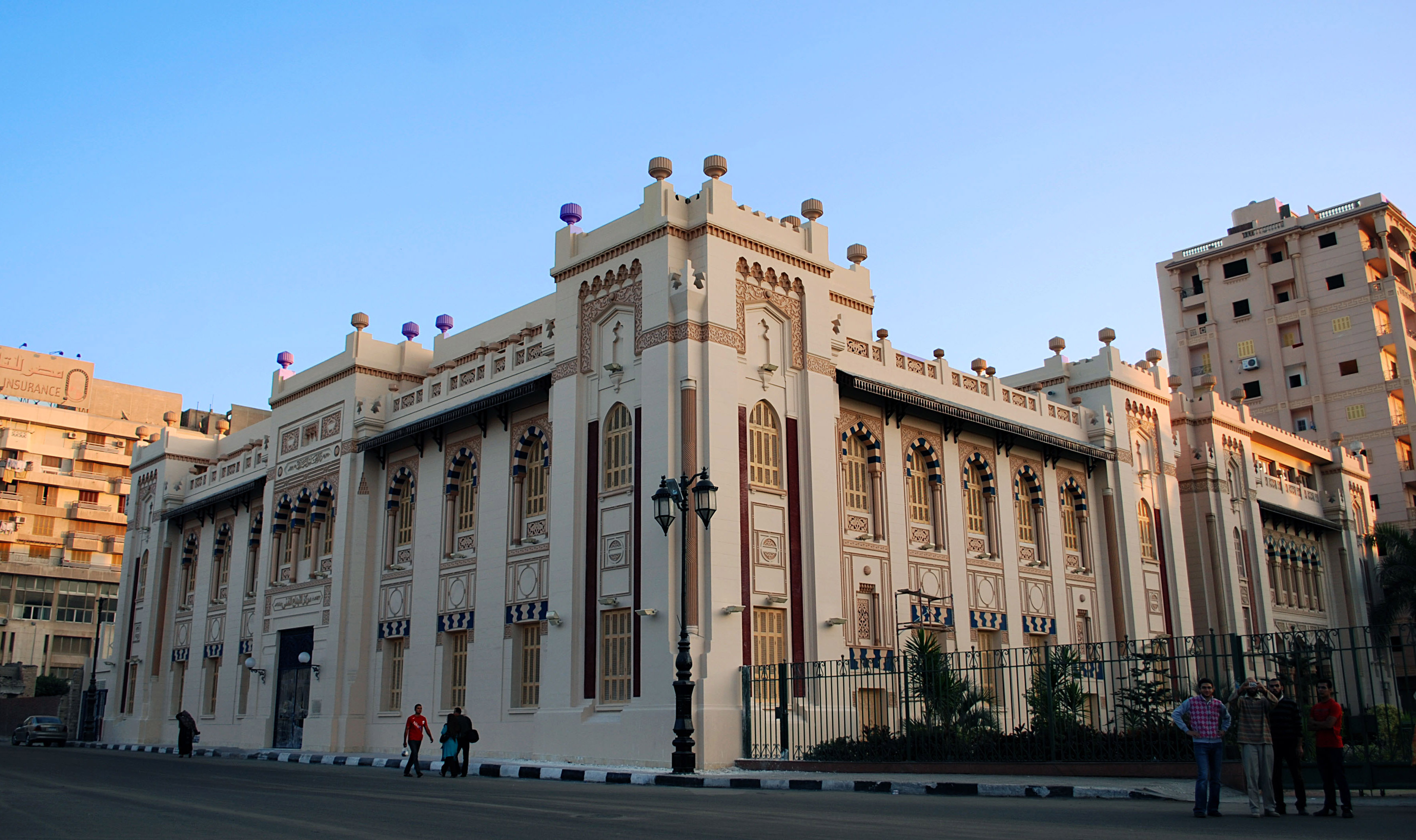
دار أوبرا دمنهور هي أوبرا تاريخية شيدت في عهد الملك فؤاد الأول في سنة 1930م علي غرار أوبرا القاهرة التي احترقت في سبعينات القرن الماضي. قام الملك فؤاد بوضع حجر الأساس لمبنى البلدية والسينما والمكتبة في الثامن من نوفمبر سنة 1930م وقد أطلق على القسم الغربي من المبنى أولاً «سينما وتياترو فاروق»، ثم تغير الاسم من «سينما فاروق» إلى «سينما البلدية» في سنة 1952م. وظل الأمر على ذلك حتى سنة 1977م عندما تغير الاسم إلى «سينما النصر الشتوي». وأخيراً أطلق عليها «مسرح وأوبرا دمنهور». أما المكتبة فقد سميت «مكتبة الملك فؤاد»، ثم أطلق عليها اسم الأديب الراحل توفيق الحكيم. ويشغل مبنى البلدية القسم الشرقي، بينما يشغل مبنى السينما والمسرح القسم الغربي.

التأسيس

وضع حجر الأساس الملك فؤاد الأول عام 1930م.
الاسم الأصلي: سُميت في البداية "سينما وتياترو فاروق".
التحولات: بعد ثورة 1952، تغير اسمها إلى "سينما البلدية"، وظلت تعمل كسينما ومسرح لفترة طويلة قبل أن يطالها الإهمال.
التبعية: تتبع حالياً دار الأوبرا المصرية (المركز الثقافي القومي).

التصميم المعماري

الطراز: صُممت على الطراز الإيطالي الكلاسيكي، الذي كان سائداً في عمارة مصر في النصف الأول من القرن العشرين.
السمات: يتميز المبنى بالزخارف الهندسية الدقيقة، والأعمدة الشاهقة، والأسقف المزخرفة، مما يجعله تحفة فنية بصرية قبل أن يكون مسرحاً.
التناغم: يجمع التصميم بين العناصر المعمارية الإسلامية (الأندلسية) واللمسات الأوروبية.

مكونات الدار

المسرح الرئيسي: يتسع لعدد كبير من الجمهور (حوالي 325 مقعداً) ومجهز لاستقبال الحفلات الموسيقية والعروض المسرحية.
قاعة البيانو: مخصصة للعروض الموسيقية الصغيرة والندوات.
المكتبة الموسيقية: تحتوي على أرشيف فني وثقافي.
الصالون الثقافي: لعقد اللقاءات الفكرية والأدبية.
الحديقة الخارجية: مساحة خضراء تحيط بالمبنى وتضيف له رونقاً جمالياً.

Damanhour Opera House

Damanhour Opera House

دار أوبرا دمنهور

Information

The Damanhour Opera House is a historic opera house that was built during the reign of King Fuad I in 1930 CE, modeled after the Cairo Opera House, which burned down in the seventies of the last century. King Fuad laid the foundation stone for the Municipality Building, the Cinema, and the Library on November 8, 1930 CE. The western section of the building was first named "Farouk Cinema and Theatre," then the name was changed from "Farouk Cinema" to "Al-Baladiya (Municipality) Cinema" in 1952 CE. This continued until 1977 CE when the name was changed to "Al-Nasr Winter Cinema." Finally, it was named "Damanhour Theatre and Opera." As for the library, it was named "King Fuad Library," then later renamed after the late writer Tawfik al-Hakim. The Municipality Building occupies the eastern section, while the Cinema and Theatre Building occupies the western section.

Establishment

The foundation stone was laid by King Fuad I in 1930 CE.
Original Name: It was initially named "Farouk Cinema and Theatre."
Transformations: After the 1952 Revolution, its name was changed to "Al-Baladiya Cinema," and it continued to operate as a cinema and theatre for a long period before suffering neglect.
Affiliation: It currently belongs to the Egyptian Opera House (The National Cultural Center).

Architectural Design

Style: It was designed in the Italian Classical style, which was prevalent in Egyptian architecture during the first half of the twentieth century.
Features: The building is distinguished by fine geometric decorations, towering columns, and decorated ceilings, making it a visual artistic masterpiece before being a theatre.
Harmony: The design combines Islamic (Andalusian) architectural elements with European touches.

Components of the House

The Main Theatre: Accommodates a large number of the audience (around 325 seats) and is equipped to host concerts and theatrical performances.
The Piano Hall: Dedicated to small musical performances and seminars.
The Music Library: Contains an artistic and cultural archive.
The Cultural Salon: For holding intellectual and literary gatherings.
The External Garden: A green space surrounding the building, adding to its aesthetic charm.