
الاماكن

التماثيل

المباني

اللغة

الالوان

اللغة

الالوان

متحف البحيرة

انا البحيرة والأدب والحب دستوري

فلاحة شاطرة وعارفة في الحياة دوري

محمد داود--

دار اوبيرا دمنهور

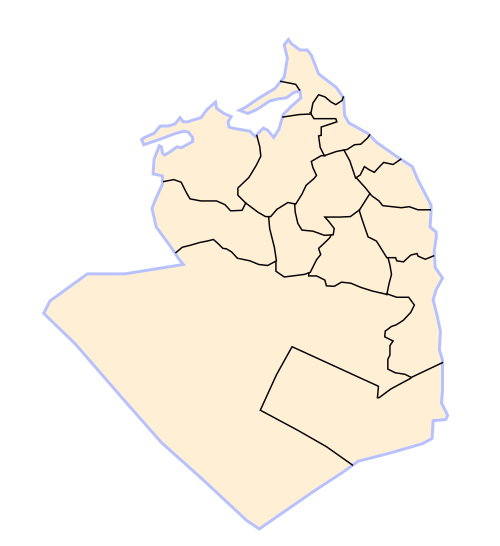
محافظة البحيرة

تتمتع محافظة البحيرة بموقع استراتيجي هام، غرب فرع رشيد من نهر النيل.
تتكون البحيرة من 13 مركزاً و 14 مدينة، وتحتوي على صناعات مهمة مثل القطن والمواد الكيميائية والسجاد والكهرباء وصيد الأسماك.
تضم المحافظة عددًا ملحوظًا من المواقع الأثرية، منها أبو المتامر، وأبو حمص، ودمنهور، ورشيد، وكفر الدوار. ومن بين الاكتشافات الأثرية التي عُثر عليها في كوم الجيزة وكوم الحمام في البحيرة، العملات المعدنية، والمصابيح، وعظام الحيوانات، والأواني الفخارية التي تعود إلى العصر الروماني وما تلاه من العصر الروماني الشرقي (البيزنطي).
تأسيس "البحيرة" كمحافظة مصرية حديثة كان في 6 نوفمبر 1934، لكن المنطقة نفسها لها تاريخ أقدم، حيث كانت تعرف باسم "أعمال البحيرة" في العصر الفاطمي وضُمت إليها أراضٍ أخرى لاحقاً، لتصبح ولاية البحيرة في العصر العثماني، وهو الاسم الذي تطور لاحقاً إلى المحافظة المعروفة اليوم
أوبرا دمنهور

تُعد أوبرا دمنهور واحدة من أهم المنشآت الثقافية الحديثة في محافظة البحيرة. تم ترميمها وافتتاحها لتكون مركزًا للفنون والعروض المسرحية، وتمتاز بطراز معماري يجمع بين الحداثة والروح التراثية للمدينة.

التاريخ: 1930 – تم التجديد 2010

ضريح ابن النفيس

ضريح ابن النفيس يقع في مدينة الرحمانية بمحافظة البحيرة في مصر، وهو ملحق بمسجد يحمل نفس الاسم. تم اكتشاف الضريح عام 1988 بناءً على لوحة رخامية تشير إلى تاريخ بناء الضريح، ويُنسب إليه كونه مدفنًا للعالم الطبيب ابن النفيس.

التاريخ: 1879م

مسجد الخراشى

يقع مسجد الخراشي في قرية نقرها بمدينة دمنهور بمحافظة البحيرة في مصر. وهو أحد أقدم مساجد المحافظة ويضم ضريح سيدي عبد المتعال الخراشي الذي كان من أعلام الصوفية.

التاريخ: 1882م

دير البراموس

يعتبر دير العذراء البرامواس واحداً من أقدم أديرة الكنيسة القبطية الأرثوذكسية، حيث يقع بوادى النطرون ويبعد عن طريق القاهرة الاسكندرية حوالى 12 كيلومتر.

التاريخ: 375م

مسجد التوبة

مسجد التوبة هو أحد المساجد التاريخية في مدينة دمنهور بمحافظة البحيرة ويعد ثاني أقدم مسجد في قارة إفريقيا بعد مسجد عمرو بن العاص في القاهرة

التاريخ: 642م

بوابة أبو الريش

واحدة من أبرز المعالم الأثرية التاريخية في مدينة رشيد. كانت تمثل المدخل الغربي للمدينة وحصنها المنيع، وتشتهر بدورها المحوري في مقاومة حملة فريزر.

التاريخ: 1508م

كوبري السكة الحديد بادفينا

يعد الكوبري جزءًا لا يتجزأ من منظومة الري والسكك الحديدية في مصر، جنبًا إلى جنب مع قناطر إدفينا التاريخية التي يعود تاريخ إنشائها إلى فترة الملك فاروق في حوالي عام 1950.

التاريخ: 1950م

قصر عين الحياة

سمي قصر الخديو توفيق بقصر "عين الحياة " نسبة للأميرة عين الحياة كريمة الأمير أحمد رفعت باشا و زوجة السلطان حسين كامل الذي حكم مصر مع بداية القرن الماضي حيث أقامت به فترة من الزمن، كذلك أقام فيه الخديو توفيق حيث إعتاد علي الإقامة فيه لعدة فترات محدودة من السنة ، خاصة بعد أن تعرض قصر عابدين لبعض الحرائق فنقل إجتماعاته الحكومية بقصر حلوان حتي توفي فيه عام 1892م
التاريخ: 1914م

كنيسة البشارة

كنيسة السيدة العذراء سيدة البشارة للرهبان الفرنسيسكان بدمنهور هي إحدى أقدم دور العبادة الكاثوليكية في مصر، وقد احتفلت بمرور 150 عامًا على تأسيسها.

التاريخ: 1914م

طاحونة أبو شاهين

باني هذه الطاحونة هو الأمير عثمان أغا الطوبجي، الذي كان يشغل منصباً رفيعاً كقائد للمدفعية في الجيش العثماني آنذاك. وقد صممها لتكون جزءاً من مجمع معماري متكامل يضم أيضاً منزل الأمصيلي الأثري الشهير.

التاريخ: 1808م

دير العذراء - السريان

دير السيدة العذراء مريم - السريان، هو أصغر الأديرة العامرة الأربعة بوادي النطرون الواقع غرب دلتا النيل شمال مصر.

التاريخ: 1508م

منزل عرب كلى

تم اختيار منزل عرب كلى نظراً لكونه من أكبر المنازل الباقية بمدينة رشيد ولموقعه المتميز وقيمته الأثرية أن يكون متحفاً حربياً لمدينة رشيد تخليداً لذكرى انتصار المدينة الباسلة على حملة فريزر عام 1807م وتأخر دخول الإنجليز لمصر نظراً لمناعة هذه الجهة الغربية حتى عام 1882م.

التاريخ: 1703م

مسجد وضريح ابو المجد

مسجد عبد العزيز أبى المجد والد إبراهيم القرشى الدسوقى

التاريخ: 1628م

مسجد زغلول

مسجد زغلول هو أحد أكبر مساجد مدينة رشيد وأقدمها، ويرجع تاريخ بنائه إلى عصر الدولة المملوكية، وكان مركزًا للحركة العلمية والدينية والوطنية، ومنه انطلقت شرارة المقاومة الشعبية ضد الحملة الفرنسية 1801، وحملة فريزر 1807.

التاريخ: 1587م

كنيسة الملاك ميخائيل

أيقونة عصر الاستشهاد ومتحف كنوز الفن القبطى, والتى تعد أحد معالم المدينة العريقة ذات الأصل الفرعونى وأقدم الكنائس فى مصر على الإطلاق.

التاريخ: 1147م

دير الأنبا بيشوي

دير القديس الأنبا بيشوي ويُعرف مختصراً باسم دير الأنبا بيشوي، هو دير قبطي أرثوذكسي، ويُعَد أكبر الأديرة العامرة بوادي النطرون الواقع غرب دلتا النيل شمال مصر.

التاريخ: 385م

مسجد سيدي عمر

مسجد العارف بالله سيدى عمر الإفلاقى, يعتبر المسجد من أهم مساجد عاصمة المحافظة، والذى يقع بالحى الذى يحمل اسمه بوسط المدينة.

التاريخ: 1819م

مسجد ابو عبدالله المغربي

يقع مسجد أبو عبدالله المغربي في مدينة دمنهور، وتحديدًا في شارع أبو عبدالله بمنطقة تاموس. ويُعرف المسجد بأنه واحة للذكر والقرآن في محافظة البحيرة، حيث تُعقد فيه مقارئ القرآن الكريم وحلقات الذكر.

التاريخ: 1813م

تمثال اسد دمنهور

تمثال أثري عُثر عليه في مدينة دمنهور وتم نقله من موقعه الأصلي أثناء تجديدات محطة السكة الحديد.

العصر الفرعوني المتاخر

لوحة كوم الحصن "مرسوم كانوب"

نقش ثلاثي اللغة بثلاثة خطوط، يعود تاريخه إلى الفترة الپطلمية في مصر القديمة.

الفترة البطلمية

حجر رشيد

مرسوم ملكي يعود تاريخه إلى عام 196 قبل الميلاد، وهو مكتوب بثلاث لغات مختلفة: الهيروغليفية ، والديموطيقية ، واليونانية القديمة

196 قبل الميلاد

قناطر إدفينا

قناطر إدفينا، هي الممر الرئيسي الذي يربط بين محافظات كفر الشيخ والبحيرة والإسكندرية، وتقع عند نهاية قرية إدفينا، مركز رشيد، محافظة البحيرة. وهي القناطر الوحيدة التي تحجز مياه نهر النيل فرع رشيد عن مياه البحر الأبيض المتوسط

التاريخ: 1949م

ملاحة الرايزونية

بحيرة مالحة تقع في وادي النطرون في مصر، وهي جزء من منطقة وادي النطرون التي تشتهر بالبحيرات والمناطق الطبيعية. الاسم يشير إلى ملوحة المياه، و"الرايزونية" قد يكون مرتبطاً بنوع معين من الأملاح أو بالخصائص الطبيعية للمنطقة.

التاريخ: غير معروف

تل الابقعين

ثكنات عسكرية ومخازن للأسلحة , سيف من البرونز للملك رمسيس الثاني

عهد رمسيس الثاني

كوم دفشو

يعود أغلبها إلى العصرين اليوناني والروماني، بالإضافة إلى أهميتها التاريخية الحديثة كمسرح لواحدة من أهم المعارك في التاريخ المصري الحديث.

ما بعد الاسرات

كوم الغرف

تل أثري يقع في مركز المحمودية بمحافظة البحيرة شمال مصر. يُعرف هذا التل أيضًا باسم "تل كوم الغرف الأثري".

انا البحيرة والأدب والحب دستوري

فلاحة شاطرة وعارفة في الحياة دوري

محمد داود--
دار اوبيرا دمنهور

Beheira Governorate

Beheira Governorate enjoys an important strategic location, west of the Rashid branch of the Nile River.
Beheira consists of 13 districts (Marakiz) and 14 cities, and it contains important industries such as cotton, chemicals, carpets, electricity, and fishing.
The Governorate includes a notable number of archaeological sites, including Abu al-Matamir, Abu Hummus, Damanhour, Rosetta (Rashid), and Kafr El Dawwar. Among the archaeological discoveries found in Kom El Gizah and Kom El Hammam in Beheira are coins, lamps, animal bones, and pottery dating back to the Roman Era and the subsequent Eastern Roman (Byzantine) Era.
The establishment of "Beheira" as a modern Egyptian governorate was on November 6, 1934, but the area itself has an older history, as it was known as "Amal Al Buhayra" (The Works of the Lake) during the Fatimid Era, and other lands were later annexed to it, becoming the Wilaya (Province) of Beheira in the Ottoman Era, a name that later evolved into the Governorate known today.

Damanhour Opera House

Damanhour Opera is considered one of the most important modern cultural facilities in Beheira Governorate. It was restored and opened to be a center for arts and theatrical performances, featuring an architectural style that combines modernity with the city's heritage spirit.

Date: 1930 – Renovated 2010

Ibn al-Nafis Shrine

The Shrine of Ibn al-Nafis is located in the city of Rahmaniya, Beheira Governorate, Egypt, and is attached to a mosque bearing the same name. The shrine was discovered in 1988 based on a marble plaque indicating the date of construction, and it is attributed as the burial place of the physician scholar Ibn al-Nafis.

Date: 1879 AD

Al-Kharashi Mosque

Al-Kharashi Mosque is located in the village of Nakraha, Damanhour city, Beheira Governorate, Egypt. It is one of the oldest mosques in the governorate and houses the shrine of Sidi Abdel-Metaal Al-Kharashi, who was a prominent Sufi figure.

Date: 1882 AD

Paromeos Monastery

The Virgin Mary Baramos Monastery is considered one of the oldest monasteries of the Coptic Orthodox Church. It is located in Wadi El Natrun, about 12 kilometers from the Cairo-Alexandria road.

Date: 375 AD

Al-Tawba Mosque

Al-Tawba Mosque is one of the historic mosques in the city of Damanhour, Beheira Governorate, and is considered the second oldest mosque in the continent of Africa after the Mosque of Amr ibn al-Aas in Cairo.

Date: 642 AD

Abu Al-Rish Gate

One of the most prominent historical archaeological landmarks in the city of Rashid. It represented the western entrance to the city and its impregnable fortress, and is famous for its pivotal role in resisting the Fraser expedition.

Date: 1508 AD

Edfina Railway Bridge

The bridge is an integral part of the irrigation and railway system in Egypt, alongside the historic Edfina Barrage, which dates back to the reign of King Farouk around 1950.

Date: 1950 AD

Ain Al-Hayat Palace

Khedive Tewfik's palace was named "Ain Al-Hayat" after Princess Ain Al-Hayat, daughter of Prince Ahmed Rifaat Pasha and wife of Sultan Hussein Kamel, who ruled Egypt at the beginning of the last century. She lived there for a period, as did Khedive Tewfik, who used to stay there for limited periods of the year, especially after Abdeen Palace suffered fires, moving his government meetings to Helwan Palace until he died there in 1892 AD.

Date: 1914 AD

Church of the Annunciation

The Church of the Virgin Mary, Lady of the Annunciation for the Franciscan Friars in Damanhour, is one of the oldest Catholic places of worship in Egypt, and it celebrated the 150th anniversary of its founding.

Date: 1914 AD

Abu Shahin Mill

The builder of this mill is Prince Osman Agha al-Tubji, who held a high position as commander of the artillery in the Ottoman army at the time. He designed it to be part of an integrated architectural complex that also includes the famous Amasyali House.

Date: 1808 AD

Monastery of the Virgin - Al-Surian

The Monastery of the Virgin Mary - Al-Surian is the smallest of the four inhabited monasteries in Wadi El Natrun, located west of the Nile Delta in northern Egypt.

Date: 1508 AD

Arab Kily House

The Arab Kily House was chosen because it is one of the largest remaining houses in the city of Rashid, and for its distinguished location and archaeological value, to be a military museum for the city of Rashid to commemorate the brave city's victory over the Fraser expedition in 1807 AD, and the delay of the British entry into Egypt due to the immunity of this western side until 1882 AD.

Date: 1703 AD

Abu El-Magd Mosque and Shrine

The mosque of Abdel Aziz Abu El-Magd, the father of Ibrahim Al-Qurashi Al-Desouki.

Date: 1628 AD

Zaghloul Mosque

Zaghloul Mosque is one of the largest and oldest mosques in the city of Rashid. Its construction dates back to the Mamluk era. It was a center for the scientific, religious, and national movement, and from it, the spark of popular resistance was launched against the French campaign in 1801 and the Fraser expedition in 1807.

Date: 1587 AD

Archangel Michael Church

An icon of the era of martyrdom and a museum of Coptic art treasures. It is considered one of the landmarks of the ancient city with Pharaonic origins and the oldest church in Egypt ever.

Date: 1147 AD

Monastery of Saint Bishoy

The Monastery of Saint Bishoy, abbreviated as Deir Al-Anba Bishoy, is a Coptic Orthodox monastery. It is the largest inhabited monastery in Wadi El Natrun, located west of the Nile Delta in northern Egypt.

Date: 385 AD

Sidi Omar Mosque

The mosque of Al-Arif Billah Sidi Omar Al-Iflaqui. The mosque is considered one of the most important mosques in the governorate's capital, located in the district bearing his name in the city center.

Date: 1819 AD

Abu Abdullah Al-Maghrabi Mosque

Abu Abdullah Al-Maghrabi Mosque is located in the city of Damanhour, specifically on Abu Abdullah Street in the Tamous area. The mosque is known as an oasis for Dhikr and Quran in Beheira Governorate, where Quran recitation sessions and Dhikr circles are held.

Date: 1813 AD

Damanhour Lion Statue

An archaeological statue found in the city of Damanhour and moved from its original location during the renovations of the railway station.

Late Pharaonic Period

Kom Al-Hisn Stele "Canopus Decree"

A trilingual inscription with three scripts, dating back to the Ptolemaic period in ancient Egypt.

Ptolemaic Period

Rosetta Stone

A royal decree dating back to 196 BC, written in three different languages: Hieroglyphic, Demotic, and Ancient Greek.

196 BC

Edfina Barrage

Edfina Barrage is the main corridor connecting the governorates of Kafr El Sheikh, Beheira, and Alexandria. It is located at the end of Edfina village, Rashid Center, Beheira Governorate. It is the only barrage that blocks the waters of the Nile River, Rashid branch, from the waters of the Mediterranean Sea.

Date: 1949 AD

Al-Rayzoniyah Salt Pan

A salt lake located in Wadi El Natrun, Egypt, part of the Wadi El Natrun area famous for its lakes and natural areas. The name refers to the salinity of the water, and 'Al-Rayzoniyah' may be related to a specific type of salt or the natural characteristics of the region.

Date: Unknown

Tell Al-Abqain

Military barracks and weapons depots, a bronze sword of King Ramesses II.

Reign of Ramesses II

Kom Defsho

Most of it dates back to the Greek and Roman eras, in addition to its modern historical importance as the theater for one of the most important battles in modern Egyptian history.

Post-Dynastic Period

Kom Al-Ghoraf

An archaeological hill located in Al-Mahmoudiyah Center in Beheira Governorate, northern Egypt. This hill is also known as "Tell Kom Al-Ghoraf Archaeological Site".

.